BIM & Digital Building Solutions for Infrastructure Projects
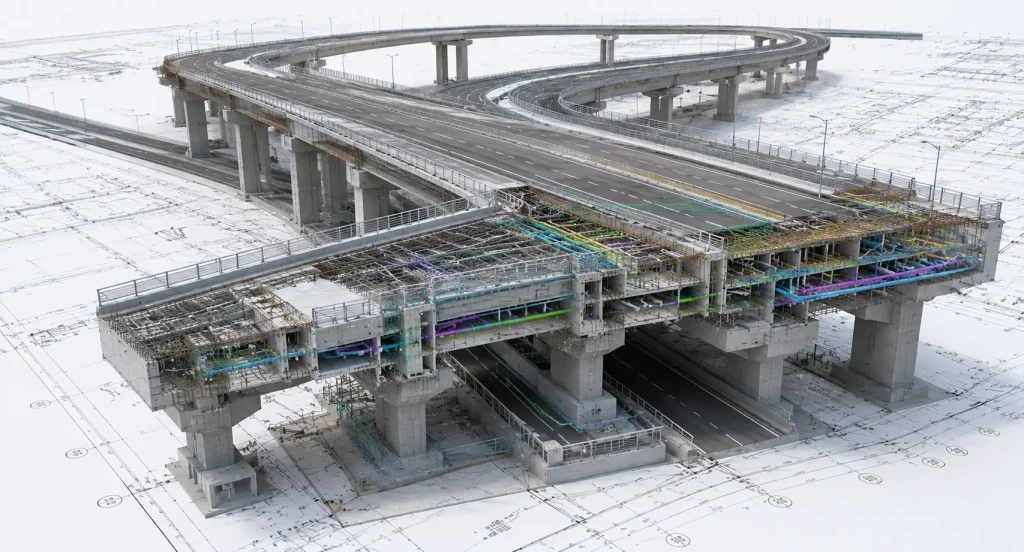
Infrastructure projects involve existing assets, complex sites, multiple disciplines, and demanding documentation. BIM Home Studio provides Architectural BIM, Structural BIM, MEP BIM, Revit Modeling, CAD Drafting, Scan to BIM, 3D Modeling, and Construction Documentation support for infrastructure development, upgrades, renovation, and existing-asset documentation.
Digital Project Support Built for Infrastructure
Infrastructure Renovation, Retrofit & Upgrade Projects
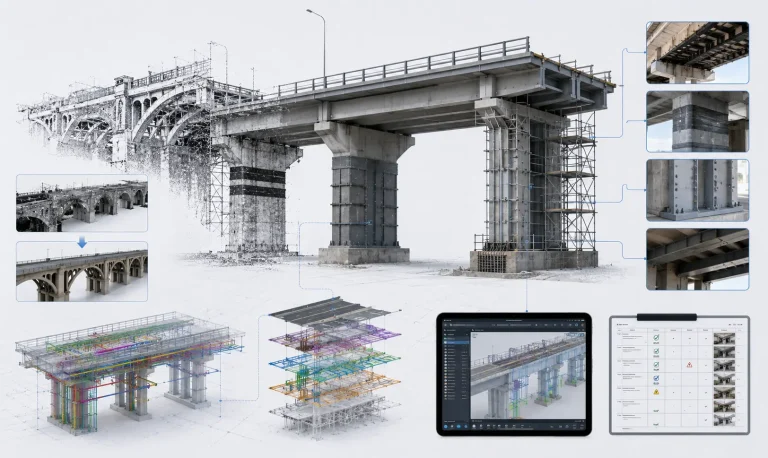
When upgrading an existing infrastructure asset, it is important to understand what assets exist.
Existing BIM and CAD information can be updated. Demolition, new work, structural changes, MEP changes, equipment changes, expansion, and modernization projects are supported.
Infrastructure Project Challenges
- Incomplete or outdated information about existing assets
- Large quantities of survey, point-cloud, CAD, and project data
- Coordination across multiple disciplines and consultants
- Integrating new work with existing structures and building systems
- Frequent design changes and revisions
- Maintaining model and drawing consistency over long project timelines
- Working across large sites or multiple infrastructure assets
- Supporting construction and upgrades around operational facilities
- Meeting project-specific BIM, LOD, and documentation standards
- Maintaining reliable information for future changes and upgrades
How Digital Building Information Supports Infrastructure Projects
Digital building information gives infrastructure teams a way to understand existing conditions. It also helps develop proposed work, coordinate disciplines, and maintain project information. Scan to BIM can turn point clouds and survey information into digital models.
Infrastructure Project Documentation
Depending on project requirements, we support:
- Existing-condition drawings
- Structural and MEP documentation
- Coordination drawings
- Construction drawing sets
- As-built and record documentation
- Drawing revisions and redline updates
Documentation can follow your project templates, title blocks, annotation standards, naming conventions, and submission requirements.
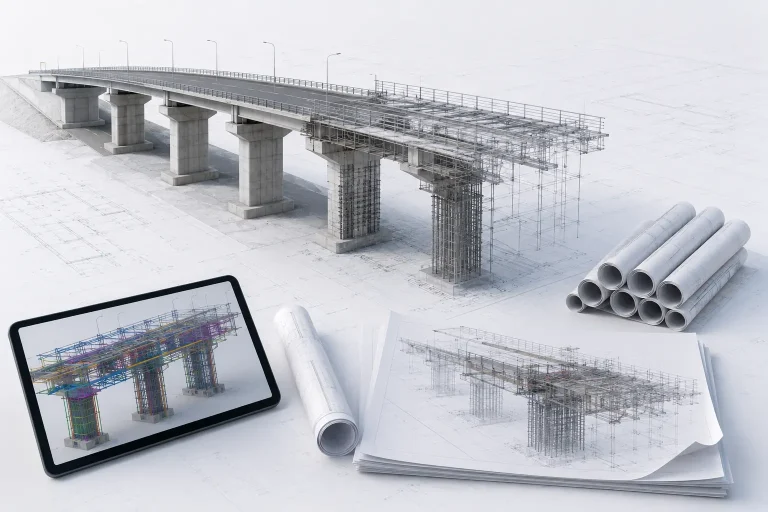
Infrastructure Project Types We Support
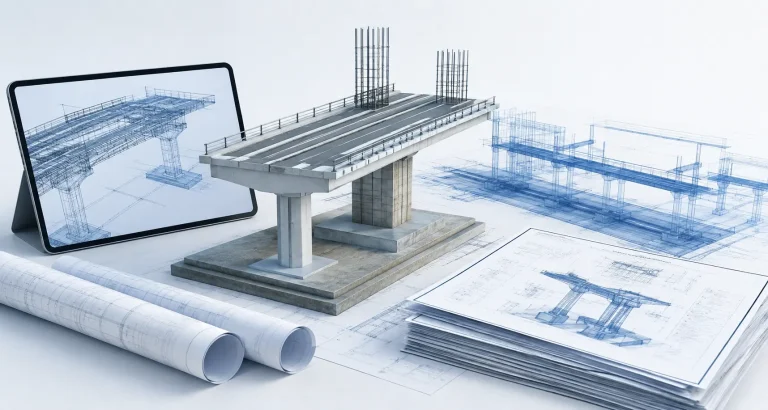
Infrastructure Project Deliverables
Depending on scope, deliverables may include:
- Existing-condition and Scan-to-BIM models
- Coordination information
Revit families and project components - 3D views
- As-built documentation
- RVT, DWG, PDF, NWC, and IFC exports where required
Multidisciplinary Coordination for Infrastructure Projects
Architecture, structure, MEP, civil, utilities, equipment, and specialist systems can be combined in infrastructure projects.
We develop organized models with project coordinates, levels, grids, and discipline-specific requirements. This supports coordination and review
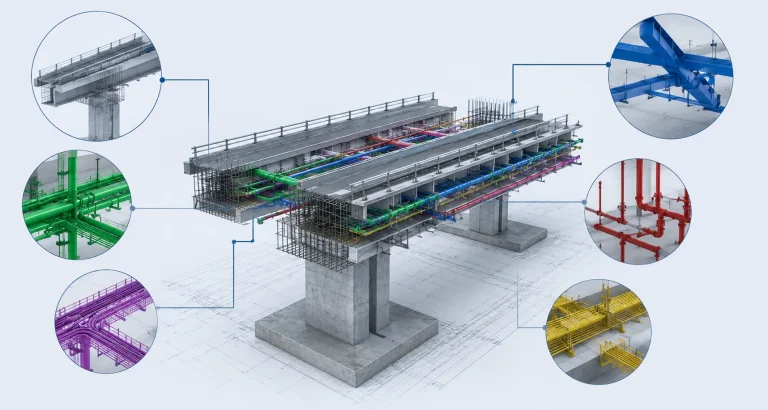
Infrastructure Project Use Cases
- Existing infrastructure documentation using Scan to BIM
- Survey and point-cloud-based modeling
- Existing-condition Revit models
- Infrastructure design development
- Renovation, retrofit, and expansion documentation
- Structural and architectural modeling
- MEP and building-system coordination
- Multidisciplinary model coordination
- Construction Documentation
- As-built and record documentation
- 3D Modeling for design review
- Project updates from field information and redlines
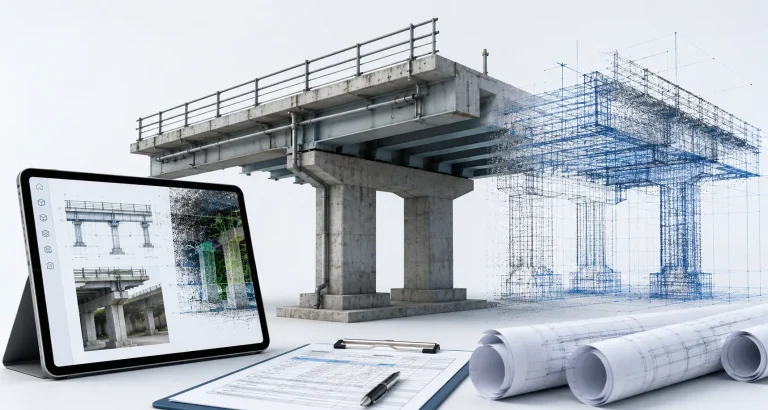
Existing Infrastructure & Asset Documentation
Infrastructure information may be available in old drawings, surveys, PDFs, CAD files, and field data. These sources can be gathered into organized digital information.
Where appropriate, our Scan to BIM processes can turn point clouds into Revit models. This provides a starting point for design development, renovation, coordination, and future project uses.
Relevant Capabilities for Infrastructure Teams
Supporting Infrastructure Projects Across the Lifecycle
Existing Asset / Project Requirements
Survey & Existing Data
Existing-Condition Model
Planning & Design Development
Multidisciplinary Coordination
Project Documentation
Construction / Upgrades
As-Built Information
Operations & Future Changes
Why Infrastructure Teams Choose BIM Home Studio
Infrastructure Understanding
We understand existing assets, complex facilities, multidisciplinary coordination, renovation, and long-term documentation.
Scalable Support
Add BIM modelers, CAD drafters, and coordination resources according to project workload.
Existing-Condition Expertise
Work with point clouds, surveys, CAD, PDFs, and other source information.
Quality Control
Structured reviews cover model health, documentation, coordination, and project standards.
Flexible Workflows
Your templates, LOD, naming conventions, families, and parameters can be incorporated.
Clear Communication
Regular project updates keep teams informed about progress, revisions, and deliverables.
Infrastructure Case Study
Challenge
An existing infrastructure facility required upgrades, but available drawings did not fully reflect current conditions.
Approach
Existing drawings, survey information, and point-cloud data were organized into a digital workflow. They were then developed into an existing-condition model.
Deliverables
BIM model, updated architectural information, coordinated documentation, renovation information, and project-specific drawing updates.
Outcome
The digital model provided a clearer representation of the facility. It supported design development, coordination, documentation, and future changes.
Why Infrastructure Teams Choose BIM Home Studio
- Infrastructure Understanding – We understand existing assets, complex facilities, multidisciplinary coordination, renovation, and long-term documentation.
- Scalable Support – Add BIM modelers, CAD drafters, and coordination resources according to project workload.
- Existing-Condition Expertise – Work with point clouds, surveys, CAD, PDFs, and other source information.
- Quality Control – Structured reviews cover model health, documentation, coordination, and project standards.
- Flexible Workflows – Your templates, LOD, naming conventions, families, and parameters can be incorporated.
- Clear Communication – Regular project updates keep teams informed about progress, revisions, and deliverables.

Frequently Asked Questions (FAQs)
Technical and Commercial Questions Answered